99 Bedford Street Suite 102
Boston, MA 02111


Dry Eyes or Spring Allergies? How to Tell the Difference
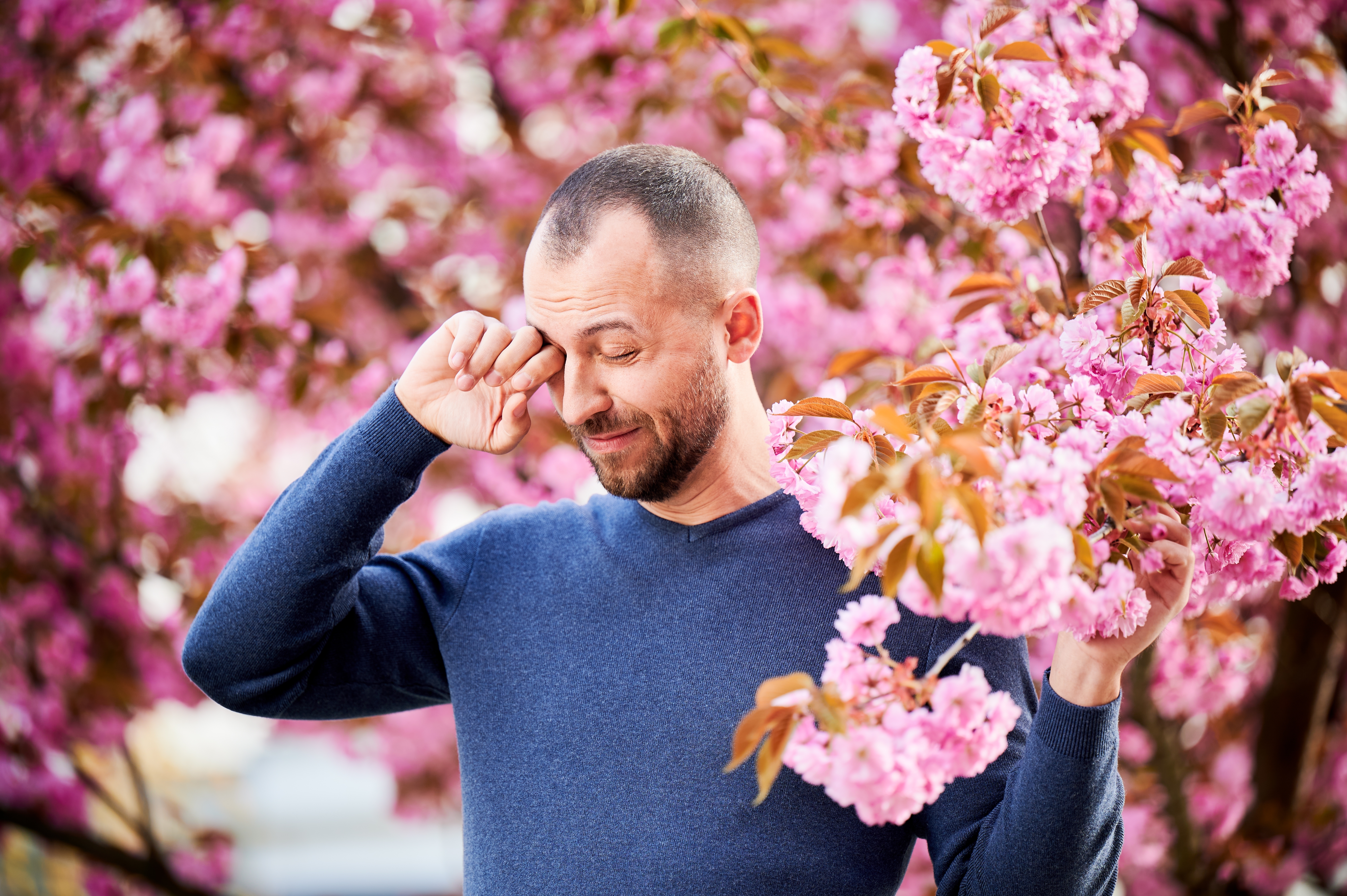
Red, watery, or irritated eyes in the spring are easy to dismiss as seasonal allergies, but that is not always the full story. Dry eye and spring allergies can cause similar symptoms, yet they affect the eyes in different ways and often need different treatment. Knowing how to tell the difference can help you get the right care and avoid ongoing discomfort.
What Dry Eye Usually Feels Like
Dry eye happens when the eyes do not produce enough tears or when the tears evaporate too quickly. This often leads to burning, stinging, fluctuating vision, and a gritty sensation, as if something is in the eye. Symptoms may feel worse after screen time, reading, or spending time in dry indoor air. In many cases, both eyes are affected throughout the day.
What Spring Eye Allergies Usually Feel Like
Spring allergies are triggered by environmental allergens like pollen. When allergies affect the eyes, itching is usually the most noticeable symptom. The eyes may also water excessively, look pink, and feel puffy or irritated. Many people also have sneezing, congestion, or a runny nose at the same time, which can help point to allergies rather than dry eye.
Signs That Can Help You Tell the Difference
- Dry eye often causes burning, stinging, and blurry vision that comes and goes
- Eye allergies usually cause intense itching and watery eyes
- Dry eye may worsen with screen use, air conditioning, or long days indoors
- Allergies often flare up seasonally or after time spent outside
- Both conditions can cause redness, which is why an eye exam can be helpful
- Both conditions can occur at the same time
Why the Symptoms Can Overlap
Allergies may irritate the surface of the eye, but some allergy medications can reduce tear production and make dryness worse. That overlap can make symptoms feel more severe and more difficult to treat without knowing the root cause.
Why an Eye Exam Matters
A proper eye exam can help identify what is really happening. Our eye doctors can evaluate the tear film, the health of the eyelids, and signs of inflammation or allergic response. The signs of allergy are distinct from dry eye findings under the microscope. Advanced diagnostic technology can make that evaluation even more precise. Meibography enables critical analysis of the structural integrity of the lipid-producing glands of the lid. The LipiView Ocular Surface Interferometer captures detailed digital images of the lipid content of the tears and quantifies the blinking reflex. The Meibomian Gland Evaluator measures how well the glands function during normal blinking.
Treatment Depends on the Cause
Treatment depends on the diagnosis. Dry eye care may focus on improving tear quality, reducing inflammation, and supporting the meibomian glands through targeted treatments such as BlephEx, NuLids, Lipiflow, radio frequency, intense pulsed light therapy and vaporization of biofilms. These options can help address lid margin buildup, meibomian gland dysfunction, and tear film instability, depending on the source of the problem. Allergy-related irritation may respond better to avoiding triggers, using appropriate allergy eye drops and oral medications, steroids, cool compresses, ocular irrigation (Rinsada), and managing the overall allergic response.
Schedule a consultation with Forefront Eye Care to get answers and relief for dry eye symptoms, eye allergies, or both. Visit our office in Boston, Massachusetts, or call (617) 322-0534 to book an appointment today.
Office hours
- Monday 8:00am - 5:00pm
- Tuesday 8:00am - 6:00pm
- Wednesday 8:00am - 5:00pm
- Thursday 8:00am - 6:00pm
- Friday 8:00am - 5:00pm
- Saturday
Select Saturdays from October to May
- Sunday Closed

Powered by