99 Bedford Street Suite 102
Boston, MA 02111

Blog
Forefront Eye Care Blog
Learn more about eye care in our blog!
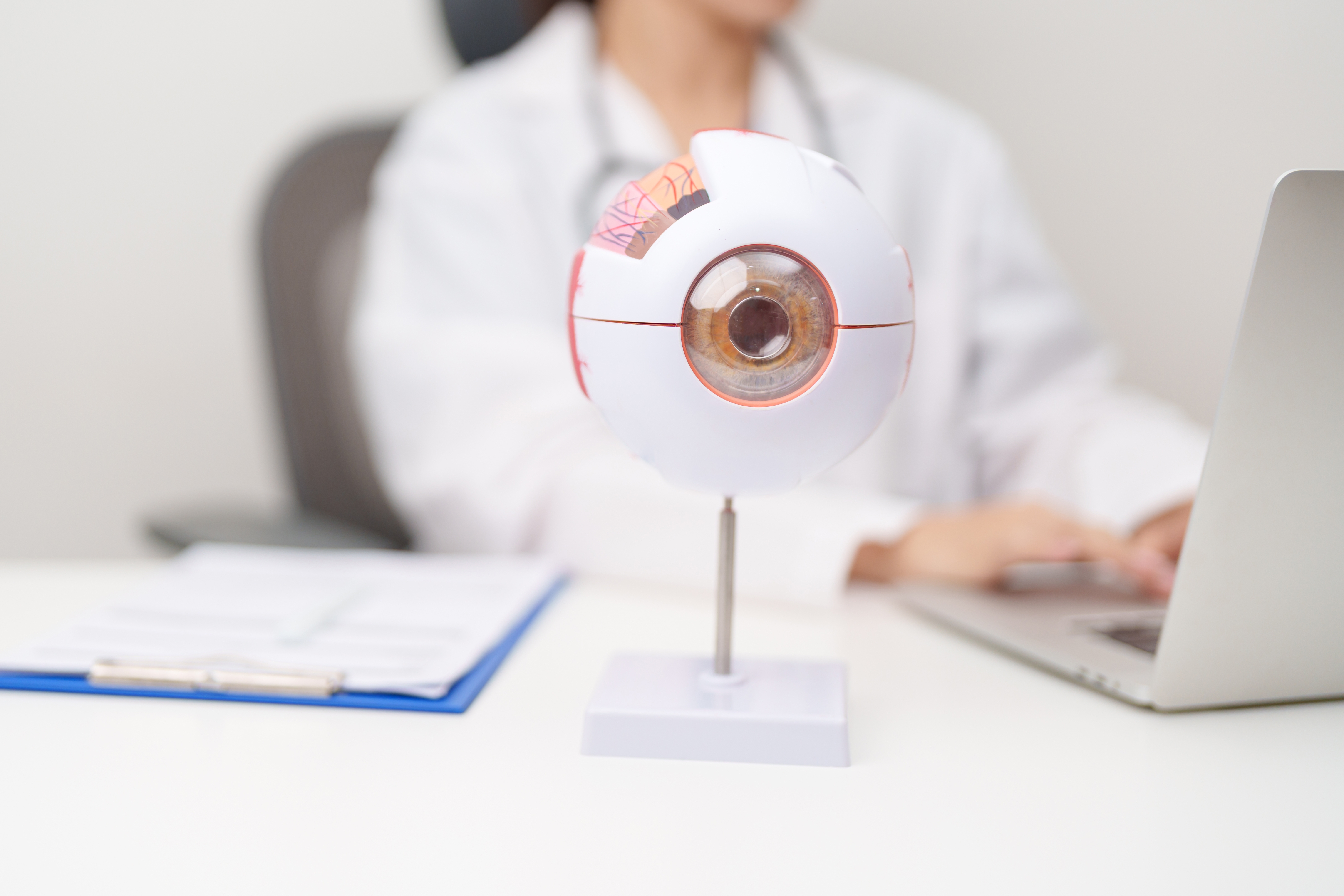
Most people don’t realize that 86% of all dry eye disease is a consequence of unclean eyelids which eventually cause inflammatory cascades that produce the symptoms of ocular surface disease. These include burning and gritty eyes that can make reading, computer work, driving, and contact lens wear uncomfortable. At Forefront Eye Care, we are internationally known for developing protocols and treatments that focus on personalized dry eye management using advanced diagnostics and targeted options such as LipiFlow and inMode IPL/RadioFrequency.
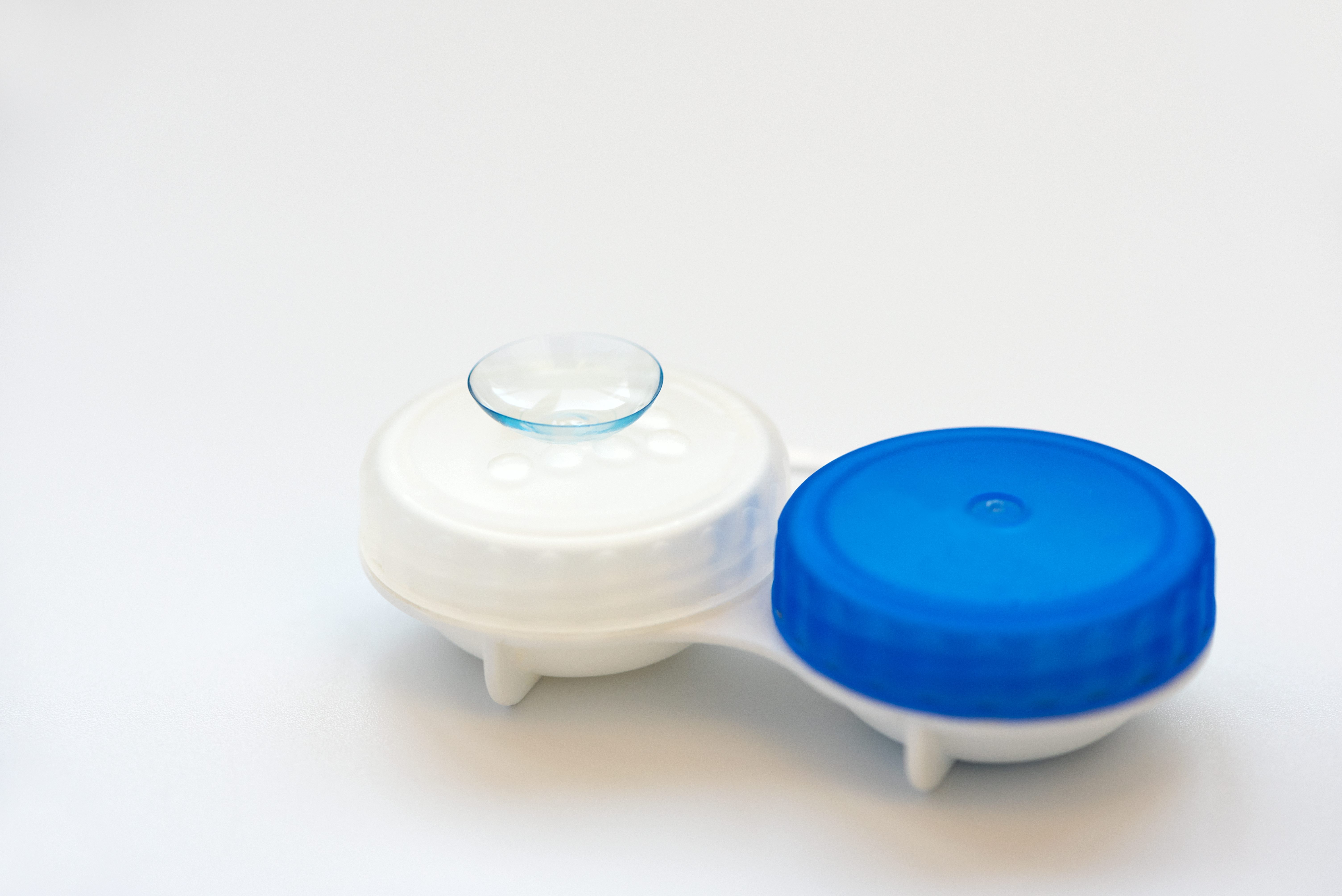
Summer schedules can get busy quickly. Between travel, outdoor events, workouts, and longer evenings, many people want vision correction that feels simple and flexible. Daily contact lenses can be a great option for patients who want clear vision without the extra steps that come with cleaning and storing reusable lenses. At Forefront Eye Care in Boston, daily contact lenses can be fitted based on your prescription, eye health, comfort needs, and lifestyle.

As the school year approaches, many Boston families focus on supplies, schedules, and back-to-school routines. One important step that should not be overlooked is scheduling comprehensive eye exams for children before classes begin. Clear vision supports learning, reading, writing, sports, and everyday confidence, making eye care an important part of school preparation.

For people with nearsightedness, clear daytime vision usually means wearing glasses or contact lenses. Orthokeratology, commonly called Ortho-K, takes a different approach. These specialized contact lenses are worn while you sleep and gently reshape the surface of the cornea so you can see more clearly during the day without corrective lenses. Ortho-K lenses are a terrific option for patients who have contact lens comfort issues.

Dry eye symptoms can affect your comfort, vision, and daily routine, but the cause is not always obvious. Burning, watering, redness, irritation, blurry vision, and contact lens discomfort can all point to dry eye, but each patient’s symptoms may come from different underlying factors. At Forefront Eye Care in Boston, advanced dry eye diagnostics help look beyond symptoms and determine what may be contributing to ongoing discomfort.

Many people expect eye surgery to fully eliminate the need for corrective lenses, but that is not always the case. After some procedures, the eye may heal in a way that causes corenal irregularity that can be difficult to correct with traditional lenses. Specialty contact lenses can help improve both clarity and comfort when standard options fall short.

Red, watery, or irritated eyes in the spring are easy to dismiss as seasonal allergies, but that is not always the full story. Dry eye and spring allergies can cause similar symptoms, yet they affect the eyes in different ways and often need different treatment. Knowing how to tell the difference can help you get the right care and avoid ongoing discomfort.

When a child is diagnosed with myopia, it can seem like a simple fix - just get glasses and move on. If they can still see up close and function well in school, it may not feel urgent. However, myopia is a progressive condition that often worsens as children grow. The earlier it begins, the more likely it is to increase over time.

Keratoconus is a progressive eye condition that directly affects the structure of the cornea - the clear, dome-shaped surface at the front of the eye. As the cornea weakens and thins, it begins to bulge outward into a cone-like shape. These structural changes interfere with how light enters the eye, often leading to distorted and fluctuating vision that standard glasses struggle to correct.

Dry eye disease is a common and often chronic condition that can significantly impact your comfort, vision, and quality of life. At Forefront Eye Care, dry eye treatment goes beyond basic eye drops. Because dry eye has many underlying causes, the most effective approach is personalized care using advanced therapies designed to address the root of the problem.
Office hours
- Monday 8:00am - 5:00pm
- Tuesday 8:00am - 6:00pm
- Wednesday 8:00am - 5:00pm
- Thursday 8:00am - 6:00pm
- Friday 8:00am - 5:00pm
- Saturday
Select Saturdays from October to May
- Sunday Closed

Powered by