99 Bedford Street Suite 102
Boston, MA 02111


Medical Contact Lens Follow-Ups: When Vision or Fit Changes
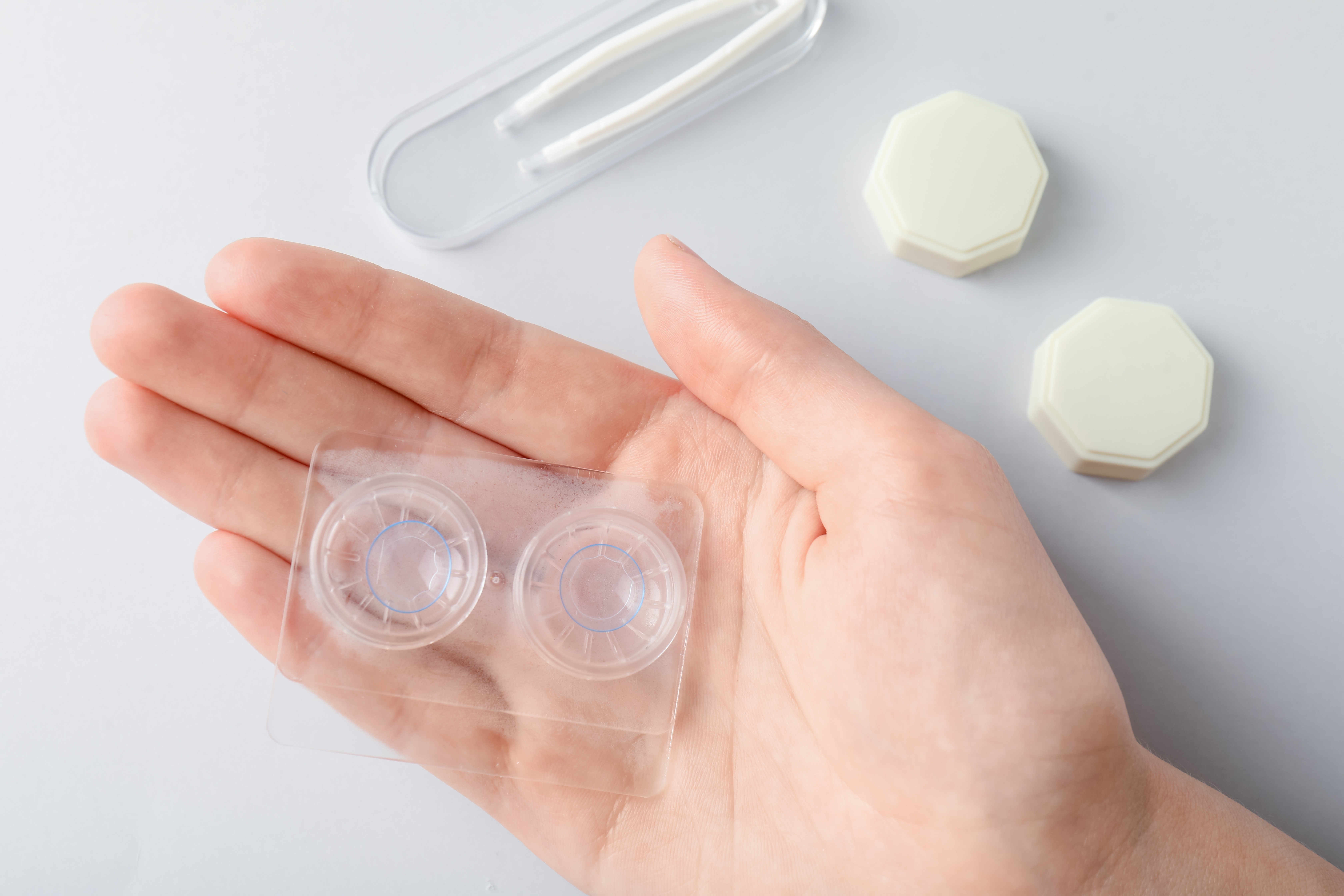
Medical contact lenses are designed to address complex vision needs associated with conditions such as keratoconus, corneal scarring, severe dry eye, trauma, and changes following eye surgery. While these specialized lenses can improve visual clarity and comfort, their fit and performance may change over time. At Forefront Eye Care, we provide medical contact lens follow-ups to monitor eye health, evaluate lens performance, and make adjustments when necessary.
Signs Your Medical Contact Lenses Need Reevaluation
Even well-fitted medical contact lenses may require adjustments as your eyes or visual needs change. It is standard of care to replace most lenses at least annually. Recognizing changes early can help prevent ongoing discomfort and identify potential complications that may hard a fragile ocular surface.
Common signs that warrant a follow-up include:
• Blurred or fluctuating vision: Vision that becomes less consistent throughout the day may indicate changes in your prescription, tear film, or lens fit.
• Increased discomfort: Pressure, irritation, or difficulty wearing lenses for your usual duration may suggest a change in the shape of your eye or a damaged contact lens.
• Frequent lens fogging: Persistent cloudiness, or intermittent blur, may be related to debris buildup or improper cleaning methods.
• Redness or irritation: Recurring redness associated with lens wear that lasts more than 3 days should prompt you to call the office for an evaluation. While redness can be associated with lens friction, eye dryness, or a damaged lens, urgent issues such as infection, abrasion or a problem with a corneal transplant need to be ruled out.
• Changes in lens positioning: Lenses that shift, feel unstable, or become difficult to remove may need reevaluation.
If these symptoms develop, scheduling a medical contact lens follow-up can help determine the cause.
Why Medical Contact Lens Fit Can Change
The shape and condition of the cornea and conjunctiva/sclera can change over time, especially in patients with eye diseases like keratoconus or those recovering from corneal or glaucoma surgery. These changes may affect how a medical contact lens rests on the eye.
Ocular surface conditions, including dry eye disease, can also influence comfort and vision. Additionally, lens deposits, wear, or changes in tear production may affect performance. Because medical contact lenses are hyper-customized for individual eye conditions, even subtle changes can influence their effectiveness.
What Happens During a Medical Contact Lens Follow-Up?
At Forefront Eye Care, we take an individualized approach to evaluating medical contact lenses. Our follow-up examinations focus on assessing visual performance, lens fit, lens condition, and the health of the cornea, eyelids and surrounding tissues.
We review any changes in comfort, wearing time, disinfection protocols and visual clarity. Depending on the lens design, we may evaluate positioning, movement, corneal clearance, and the condition of the lens itself. If necessary, we may recommend modifications to the lens design, prescription, or care routine to better accommodate your current needs.
When Should You Schedule Your Next Follow-Up?
Regular follow-up appointments are important for patients wearing scleral lenses, rigid gas permeable lenses, and other specialized medical contact lenses. The recommended schedule depends on your eye condition, lens type, and treatment needs.
You should not wait for your next scheduled appointment if you experience persistent discomfort or noticeable vision changes. If you develop significant redness, eye pain, light sensitivity, or sudden vision changes, remove your lenses and seek urgent eye care.
Schedule a Medical Contact Lens Follow-Up in Boston, MA
If your medical contact lenses are no longer providing consistent vision or comfort, schedule a follow-up examination with Forefront Eye Care. Our team can evaluate your lens fit and determine whether adjustments are needed. Visit our office in Boston, MA, or call (617) 322-0534 to book an appointment today.
Office hours
- Monday 8:00am - 5:00pm
- Tuesday 8:00am - 6:00pm
- Wednesday 8:00am - 5:00pm
- Thursday 8:00am - 6:00pm
- Friday 8:00am - 5:00pm
- Saturday
Select Saturdays from October to May
- Sunday Closed

Powered by