99 Bedford Street Suite 102
Boston, MA 02111


Why Early Myopia Management Can Protect Lifelong Vision
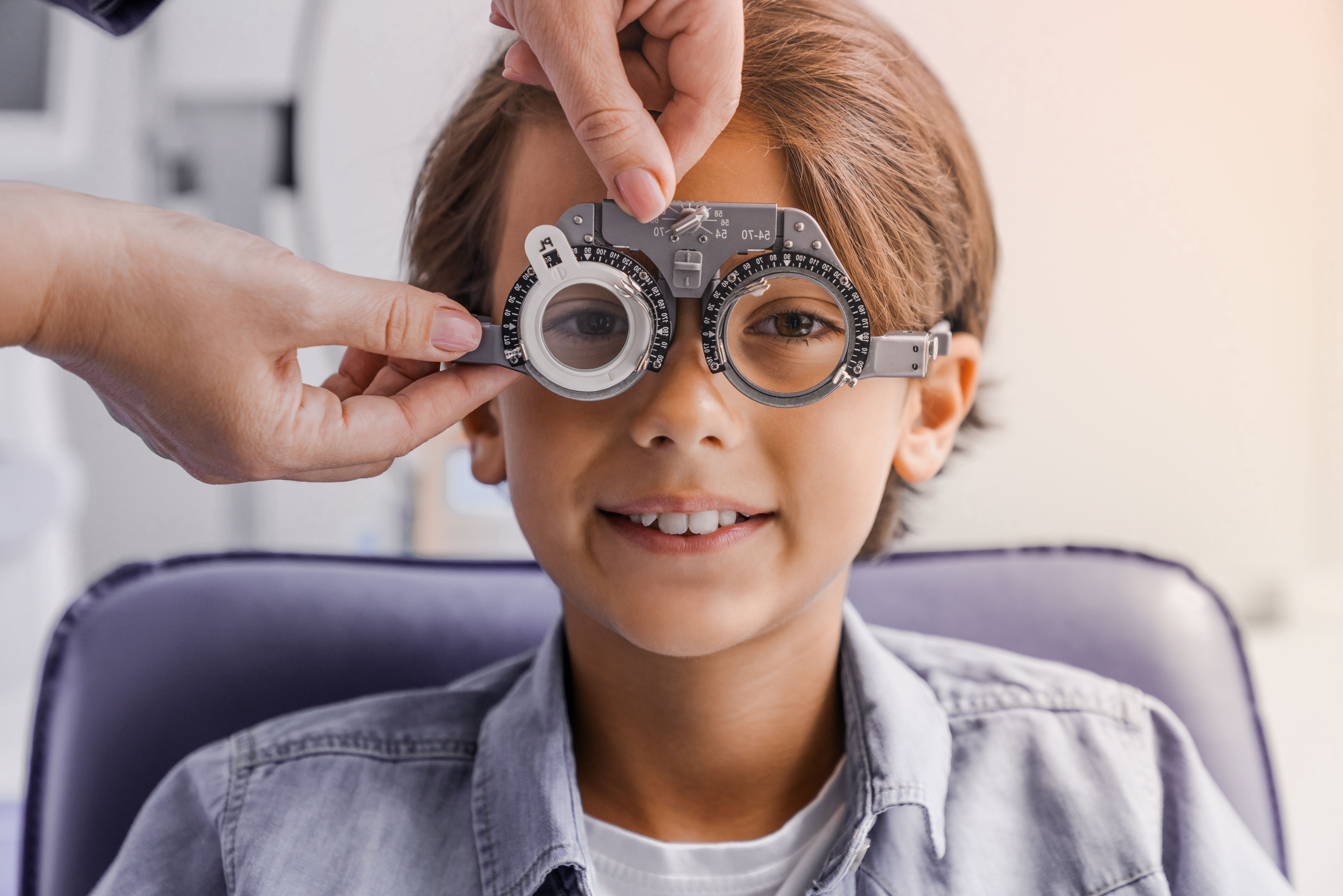
When a child is diagnosed with myopia, it can seem like a simple fix - just get glasses and move on. If they can still see up close and function well in school, it may not feel urgent. However, myopia is a progressive condition that often worsens as children grow. The earlier it begins, the more likely it is to increase over time.
At Forefront Eye Care, we understand that early intervention makes a difference. Myopia management is not just about improving vision today - it’s about helping protect your child’s long-term eye health and reducing future risks.
What Is Myopia?
Myopia is a condition where distant objects appear blurry, but close objects are clear. It happens when the eye grows too long from front to back. As the eye continues to lengthen, vision becomes more nearsighted over time.
Many children develop myopia during elementary school, and it often worsens through the teenage years. Without management, prescriptions can increase year after year.
Why Early Treatment Matters
Higher levels of myopia are linked to a greater risk of serious eye conditions later in life, including:
- Retinal detachment
- Glaucoma
- Early cataracts
- Myopic macular degeneration
The more the eye stretches, the more stress is placed on important structures inside the eye. By managing myopia early, we can slow how quickly the eye grows and reduce the risk of future complications.
Myopia management is not about eliminating glasses. It is about protecting long-term eye health. Realistic outcomes are a slowing of myopia progression by 50% on average. The number of genetic and environmental risk factors that are present effect results.
In-Office Myopia Management Options
At Forefront Eye Care, we offer several evidence-based treatments designed to slow the progression of myopia.
Low-Dose Atropine Eye Drops
The oldest method for myopia control, these prescription drops are used nightly and have been shown to help slow eye growth in children. They are safe when monitored properly and are often well tolerated.
Specialized Soft Contact Lenses
Certain soft lenses are designed with specific focusing patterns that help control how light enters the eye, reducing the signal that causes the eye to grow longer.
Stellest Lens Spectacles
Special spectacle lenses with embedded “lenslets” have finally been approved by the FDA as an effective means of myopia control. They have been standard of care for all nearsighted children in other countries for years, and we are excited that they are now available in the United States. The lenses are also shatter resistant.
Orthokeratology (Ortho-K)
These custom-designed rigid lenses are worn overnight. While your child sleeps, the lenses gently reshape the front surface of the eye. In the morning, the lenses are removed, and many children can see clearly throughout the day without glasses or contacts.
Each child is different. We evaluate prescription, lifestyle, age, and risk factors to recommend the best plan. As one of New England’s largest specialty medical contact lens practices, and a large patient base with complex refractive errors, we have expertise in fitting glasses and contacts for myopia control. In some cases, multi-modal therapy is required to prevent myopia progression.
At-Home Habits That Support Healthy Vision
Professional treatment works best when combined with healthy visual habits at home.
Follow the 20-20-20 Rule
Every 20 minutes of screen or close work, look at something at least 20 feet away for 20 seconds. This helps relax focusing muscles and keeps the light focused on the retina properly.
Encourage Frequent Breaks
Long periods of reading, tablet use, or homework without breaks can contribute to dry eye and blurred vision which can be a trigger for eye growth.
Increase Time Outdoors
Research shows that spending more time outside in very young children BEFORE myopia begins may help reduce the risk of myopia progression. Natural light and distance viewing both play important roles in healthy eye development.
Small changes in daily habits can support long-term results.
When Should Myopia Management Begin?
The earlier myopia begins, the more time it has to progress. That is why early detection is key. Regular comprehensive eye exams allow us to monitor subtle changes and intervene before prescriptions increase significantly.
Even if your child’s prescription seems mild, proactive management has been shown to enable better outcomes.
Take the First Step Toward Lifelong Vision Protection
Myopia is more than just needing stronger glasses each year. It is a condition that can impact eye health for decades. The good news is that we now have proven ways to slow its progression.
If your child has been diagnosed with myopia or you’ve noticed increasing screen time and visual strain, schedule a comprehensive eye exam at Forefront Eye Care. Visit our office in Boston, Massachusetts, or call (617) 322-0534 to book an appointment today.
Office hours
- Monday 8:00am - 5:00pm
- Tuesday 8:00am - 6:00pm
- Wednesday 8:00am - 5:00pm
- Thursday 8:00am - 6:00pm
- Friday 8:00am - 5:00pm
- Saturday
Select Saturdays from October to May
- Sunday Closed

Powered by